
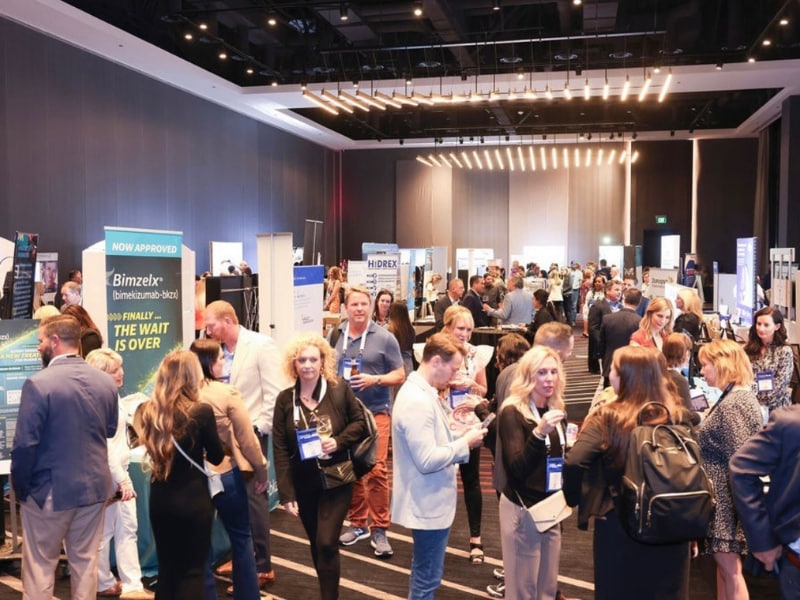
Earlier this month, we shared our blog, "Strategic Planning for Maximum ROI in 2027," which explored a simple but important idea: the most successful event programs begin with business objectives, not event calendars. Now, let's take that conversation one step further.
Once you've identified the outcomes you want to achieve in 2027, the next challenge becomes deciding which events deserve a place in your portfolio. Because not every event should have the same objective, and not every event should be measured the same way.
In fact, one of the fastest ways to dilute ROI is by expecting every event to accomplish everything at once.
A customer appreciation event shouldn't be measured the same way as a lead generation tradeshow. A user conference shouldn't have the same KPIs as a leadership summit. And a sales kickoff shouldn't be expected to generate pipeline at all.
The strongest event portfolios create balance across multiple business objectives.
Build Your Portfolio Around Event Types
Rather than evaluating events individually, let's consider how each event could support your organization's broader strategy.
Event portfolios work best when they include a balanced mix of experiences that collectively support broader business goals. Think about your portfolio in categories:
Awareness Events
These events introduce new audiences to your brand, strengthen credibility, and increase visibility within your industry. Success isn't always measured by immediate revenue, but by how effectively they build future opportunity.
- Event Examples: Industry conferences, speaking engagements, sponsored events, thought leadership forums.
- Typical Metrics: Brand awareness, audience engagement, media exposure, content opportunities, share of voice.
Pipeline Events
Pipeline events are designed to generate, influence, or accelerate revenue opportunities. These programs typically require strong sales alignment and a clear follow-up strategy.
- Event Examples: Tradeshows, executive roundtables, prospect dinners, hosted buyer programs, regional roadshows.
- Typical Metrics: Qualified opportunities, meetings held, pipeline influenced, opportunity progression, revenue attribution.
Customer Events
Customer events focus on strengthening existing relationships, increasing loyalty, and creating advocates who help drive long-term growth.
- Event Examples: User conferences, customer advisory boards, client appreciation events, training workshops, networking receptions.
- Typical Metrics: Retention rates, satisfaction scores, product adoption, expansion opportunities, customer advocacy.
Leadership and Community Events
These events bring people together around strategy, alignment, culture, and industry leadership. While they may not directly generate revenue, they often create the foundation for future success.
- Examples: Sales Kickoffs (SKOs), leadership summits, annual company incentives, partner conferences, community-building events.
- Typical Metrics: Team alignment, employee engagement, partner participation, strategic initiative adoption, organizational readiness.

It's important to remember that some events may support multiple objectives. A tradeshow can generate pipeline while also increasing awareness. A customer conference can strengthen retention while uncovering expansion opportunities. The key is deciding on the primary purpose before the event begins so success can be measured appropriately.
If you're evaluating which events deserve a place in next year's budget, this short video walks through a practical framework for building an event portfolio that's aligned with your business objectives, not just your calendar.
Want the Bigger Picture?
In our companion article, Strategic Planning for Maximum ROI in 2027, we explore how organizations can align event investments with business objectives, stakeholder expectations, and meaningful ROI metrics.
Read the Full 2027 ROI Planning Article
If You Couldn't Explain Why an Event Is on Your Calendar, Should It Be There?
Too many event portfolios are built on habit instead of strategy. Before you lock in another sponsorship, booth, conference, or meeting, ask yourself one simple question: What outcome are we buying?
If the answer isn't clear, let's change that. Talk with our team about aligning your event strategy with the business outcomes that matter most.

