
TL;DR
Event success in 2026 isn't about how many people showed up - it's about what they did, felt, and became afterward.
Vanity metrics like registration numbers, impressions, or badge scans are no longer telling the full story. Today's event leaders are focused more on measurable business outcomes, like: pipeline influence, engagement depth, customer lifetime value, and actionable insights.
Here's what you can expect below:
- Attendance is just the starting point (& engagement quality matters more)
- Pipeline and revenue attribution are now table stakes for ROI conversations
- Behavioral data (not just attendee demographics) reveals true intent
- Post-event actions are more valuable than onsite activity alone
- The right analytics framework turns events into growth engines
_______________________________________________________________________________________
Why Vanity Metrics Might be Holding Event Teams Back
For years, event success has been judged by numbers that look impressive on paper but rarely hold up in a boardroom. Metrics like total registrations, booth traffic, or session attendance may signal activity, but they don't necessarily always indicate impact.
The reality is that business leaders are asking more sophisticated questions than ever before. They want to know whether an event generated real pipeline, accelerated deals, or strengthened key relationships. Surface-level metrics simply can't answer those questions.
That shift is forcing event teams to rethink how they define success. It's no longer about reporting what happened… it's about demonstrating what changed because the event happened. And as this mindset evolves, it's also pushing organizations to take a step back and rethink how their entire event portfolio aligns to broader business goals - something we explore further in our recent episode of The Event Exchange.
The Metrics That Actually Matter in 2026
1. Pipeline Influence & Revenue Attribution
At the center of every modern event strategy is a clear connection to revenue. Rather than focusing on how many leads were collected, teams are looking deeper. Like tracking how event attendees move into the pipeline, how deals are influenced by event touchpoints, and how revenue can ultimately be tied back to those interactions.
What makes this powerful is not just identifying sourced opportunities but understanding acceleration. When an event shortens sales cycles or increases win rates, that's where ROI becomes undeniable.
2. Engagement Depth (Not Just Volume)
It's easy to count how many people visited a booth. It's far more valuable to understand how long they stayed, what they interacted with, and whether they came back.
Engagement depth shifts the focus from quantity to quality. Dwell time, meaningful conversations, and repeat interactions paint a clearer picture of who is actually interested versus who simply passed through. Those deeper engagements are often the strongest predictors of future conversion.
3. Behavioral Intent Signals
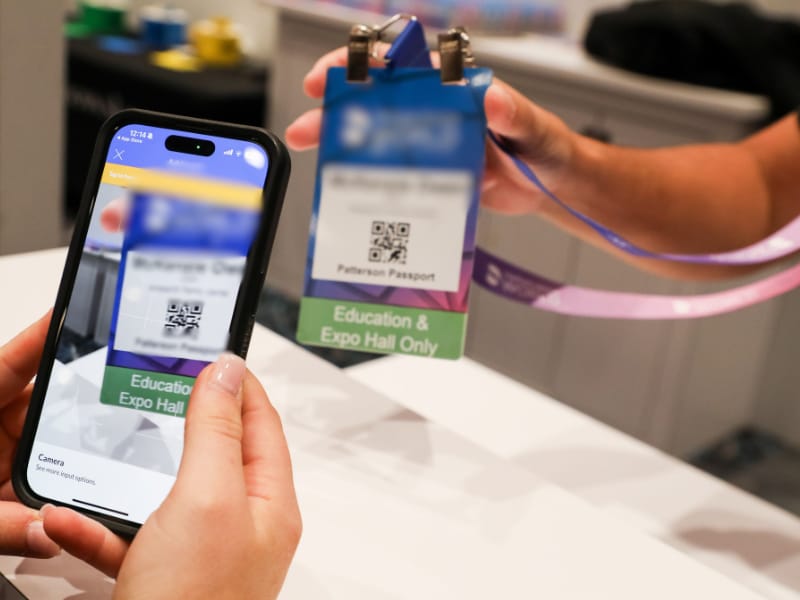
One of the biggest evolutions in event measurement is the shift toward behavioral data. Attendees are constantly signaling their interests through the choices they make, like: what sessions they attend, what demos they request, and what content they engage with.
When you start mapping these behaviors, you'll start noticing that patterns emerge. Certain combinations of actions can indicate high buying intent, while others signal early-stage brand exploration. This type of insight doesn't just improve reporting - it transforms how sales teams prioritize and personalize follow-up.
4. Sales Alignment & Lead Quality
A successful event isn't defined by how many leads the marketing team generates - it's defined by how many leads sales actually wants.
That's why metrics like sales acceptance rate and conversion through the funnel have become essential. Event teams should align on what "qualified" looks like before the event begins. Leading to a result with cleaner data, stronger follow-up, and ultimately better outcomes.
Without that alignment, even the most impressive lead numbers can fall flat.
5. Post-Event Momentum
One of the most common measurement gaps happens after the event ends. But in reality, that's where the most valuable activity begins.
Follow-up meetings, continued content engagement, and new opportunities created in the weeks after an event are often the clearest indicators of success. The events your team creates or attends should spark momentum - not just momentary activity. And the teams that track this phase most effectively are the ones that truly understand their ROI.
6. Customer Lifetime Value (CLV) Impact
Events aren't just acquisition tools - they're powerful drivers of retention and growth.
When existing customers attend and engage, they're more likely to renew, expand, and advocate.
Measuring how event participation influences long-term customer value provides a more complete view of ROI… one that extends far beyond a single event window.
What We've Seen Work: Turning Metrics Into Strategy
At EMCME, the most successful teams we partner with don't just collect data - they connect it.
They build integrated ecosystems where registration platforms, onsite engagement tools, CRM systems, and marketing automation all feed into a unified view of the attendee journey. That visibility allows them to shift from reactive reporting to proactive strategy.
Equally important is alignment. When sales and marketing define success together from the outset, metrics become actionable rather than abstract. Layer in real-time insights during the event itself, and teams can adapt on the fly - optimizing engagement instead of waiting for post-event reports.
How to Build a Smarter Event Measurement Framework
A strong measurement strategy starts before the event is even planned. The most effective teams begin by tying every metric back to a business objective; whether that's pipeline generation, deal acceleration, or customer expansion.
From there, it's about clarity and consistency. Defining what qualifies as a valuable lead ensures alignment across teams, while tracking the full attendee journey.
Underpinning all of this is integration. Disconnected systems lead to fragmented insights, while connected data unlocks meaningful intelligence. And ultimately, the goal is simple: move beyond reporting activity and start reporting outcomes.
For a complete guide to building an event portfolio strategy your CMO, CRO, and CFO will actually value, tune into this episode of The Event Exchange. Because your event strategy shouldn't live in silos, and alignment will start with a shared definition of success.
Looking Ahead: The Future of Event Analytics
Event measurement is only becoming more sophisticated. AI-driven attribution, predictive scoring models, and real-time personalization are rapidly moving from "nice to have" to standard practice.
As these capabilities evolve, events will become even more tightly connected to revenue operations. The organizations that succeed will be the ones that recognize events not as standalone experiences, but as critical components of a broader growth strategy.
Ready to Measure What Matters?
If your team is still relying on surface-level metrics, you're missing the opportunity to turn events into true revenue drivers.
At EMCME, we help organizations move beyond vanity numbers by building analytics strategies that connect engagement to outcomes. From defining the right KPIs to integrating your data and aligning your teams, we focus on making your event insights actionable, measurable, and impactful.
Let's rethink how your events perform, together.
Reach out to our team to start building a smarter, more strategic approach to event analytics.
_______________________________________________________________________________________
Key Takeaways
1. What are vanity metrics in events?
They're surface-level indicators like attendance or impressions that don't directly connect to business outcomes such as revenue or pipeline.
2. What is the most important event metric in 2026?
Pipeline influence and revenue attribution, because they clearly demonstrate how events contribute to growth.
3. How can I measure attendee intent?
By analyzing behavioral data; things like what attendees engage with, attend, and interact with throughout the event experience.
4. Why does post-event tracking matter so much?
Because most meaningful actions, like meetings and deal progression, happen after the event ends.
5. How can EMCME help improve event ROI measurement?
By aligning your teams, integrating your data sources, and building a framework that turns engagement into measurable business results.

