
TL;DR
Great event technology should support the experience - not steal the spotlight or create friction. Most challenges don't come from the tools themselves, but from late decisions, poor integration, and misalignment across vendors and teams. At EMCME, we take a holistic, experience-first approach: planning early, integrating everything seamlessly, and ensuring technology works quietly and reliably for attendees, staff, and stakeholders alike.
_______________________________________________________________________________________
Every event team wants technology to enable the experience - not become the experience problem everyone remembers.
Over the years, I've seen event tech stumble for some very predictable reasons: tools chosen too late, platforms that don't talk to each other, vendors working in silos, or technology implemented without fully thinking through how attendees and staff actually use it.
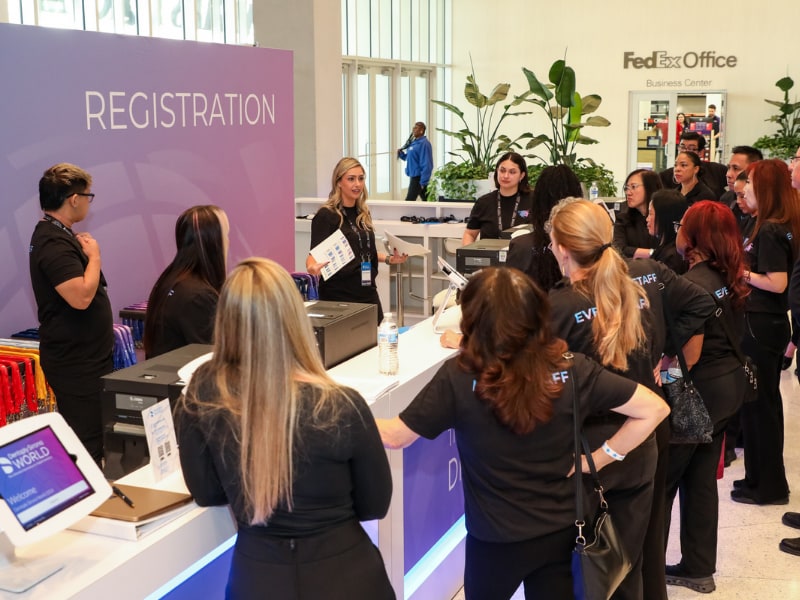
At EMCME, we approach event technology with one simple question: How will the technology enhance the overall event experience - for the attendees, staff and stakeholders?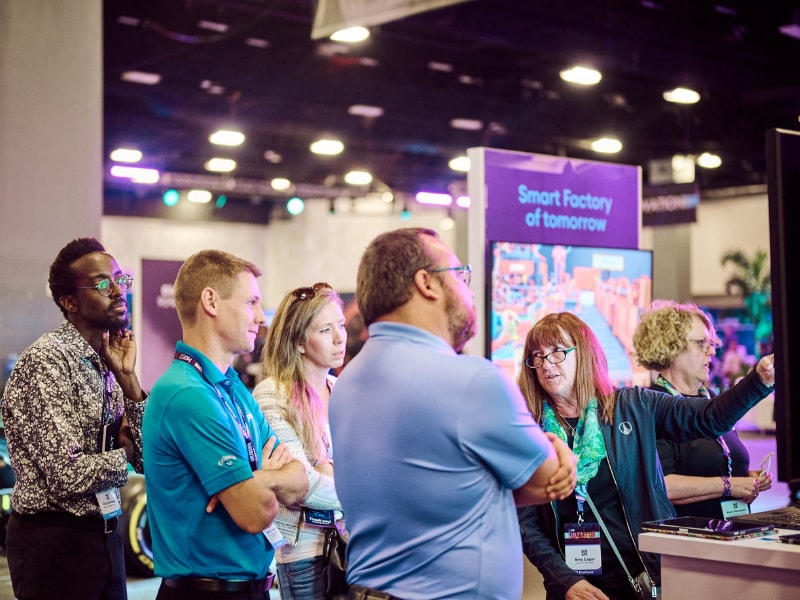
Where Event Tech Commonly Goes Wrong
Most tech issues aren't about the tools themselves. They're about planning and alignment.
- Registration systems that don't sync cleanly with badging or session scanning
- Event apps that look great but confuse attendees
- Lead capture tools that don't align with exhibitor goals
- AV and booth designs planned independently of the attendee journey
- Too many vendors, not enough integration
When tech decisions are made in pieces, the event may feel fragmented; even if each component works "fine" on its own.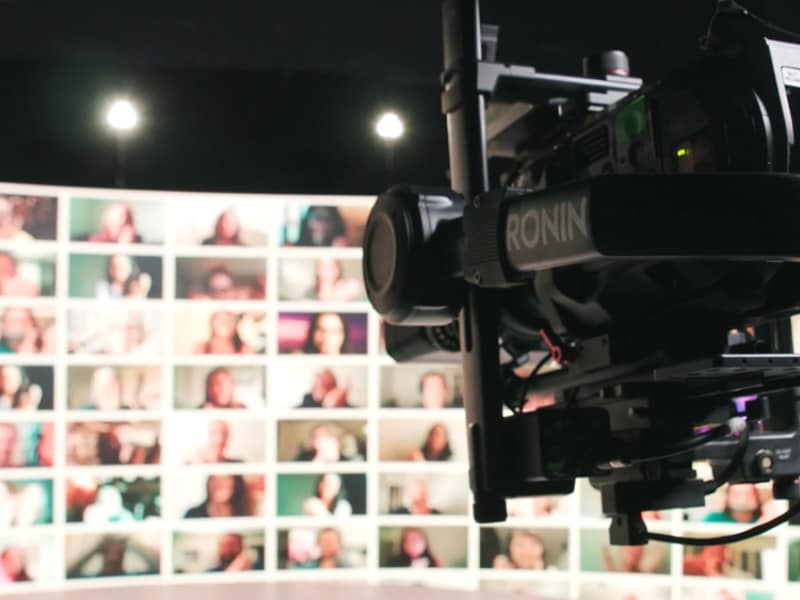
How EMCME Thinks About Tech Differently
Our teams don't believe event tech is a standalone item. Tech is part of an entire experience ecosystem. That's why we focus on seamless integration across the entire event lifecycle, whether that includes:
- Mobile apps and event websites that guide attendees (and not overwhelm)
- Attendee engagement and gamification
- Registration and badging systems that reduce friction at check-in
- Passkey and housing tools that simplify logistics
- Lead capture and session scanning that deliver real post-event value
- Audio/visual, lighting, and tradeshow booth designs that support flow, engagement, and storytelling
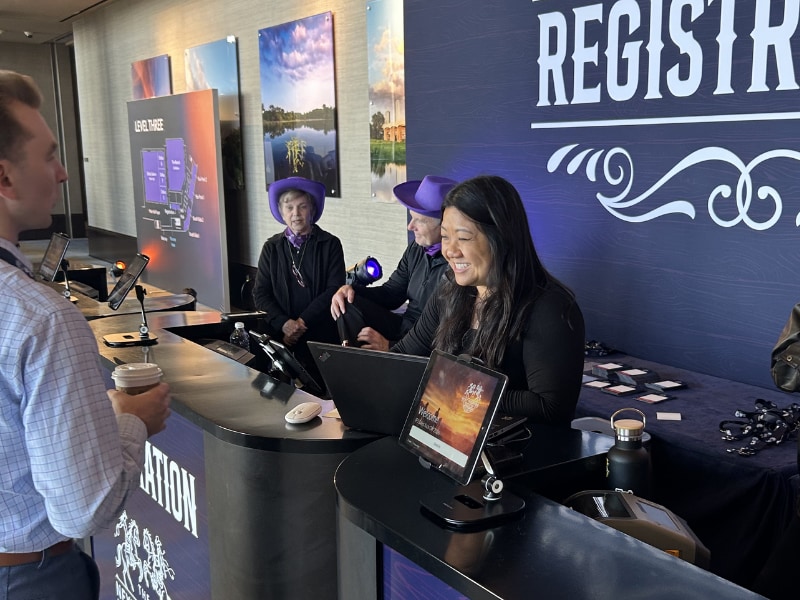
Just as important, we act as the connector between technology partners, service vendors, and internal teams so everyone is working toward the same experience goals.
Attendees expect intuitive, seamless technology. Event teams expect systems they can trust under pressure. And stakeholders expect measurable outcomes.
Our role is making sure event tech supports all three…quietly, confidently, and without distraction.
What This Month's Blog Digs Into
We go deeper into this approach in our latest blog, How Smart Planning Drives Tradeshow Success, where we explore:
- Why early tech planning directly impacts engagement and ROI
- Examples of tech-driven tradeshow wins
- Practical tips for integrating technology smoothly into event workflows
And if you're rethinking how technology shows up in your events - or want a partner who plans for the full picture - we'd love to talk.
_______________________________________________________________________________________
Key Takeaways
- Why do event technology issues happen so often?
Because of late decisions, poor integration, and siloed planning.
- What does an "experience-first" approach to event tech mean?
Every tech decision is grounded in how it supports the attendee, staff, and stakeholder experience, not just features or aesthetics.
- How early should event teams plan for technology?
As early as possible. Early planning improves integration, reduces risk, and drives better engagement and ROI.
- How does EMCME manage multiple tech vendors?
We act as the central connector, aligning vendors, partners, and teams around shared experience goals.
- What does success look like when event tech is done right?
Technology feels intuitive, reliable, and invisible. It supports the event without distracting from it.

