
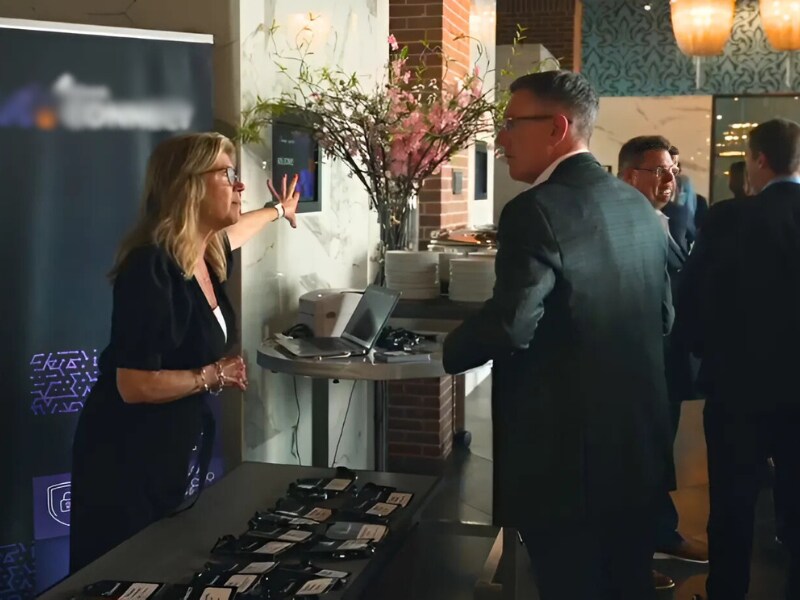
In this month's CEO Message, we explored a shift in how we think about event ROI, moving from counting heads to creating intentional experiences that move business and relationships forward. The roadshow example shared there shows just how powerful small, personal events can be for sparking those connections.
But what happens after the last conversation ends and the room clears? That's where the real work is set to begin. If experiences are the spark, systems are the fuel that turns those sparks into a sales pipeline machine.
Let's break down the event blueprint that turns moments into measurable outcomes, and ensures your events are working just as hard as you are.
Building an Event Blueprint for Sales Impact
Below is your guide for connecting experience with revenue, that details the critical systems that turn your events into pipeline powerhouses:
1. Integrate Your CRM Before the Event Begins
Start capturing data before anyone even walks into the event space. From registration forms to onsite interactions, ensure every engagement point is synced directly to your company's CRM. This creates a complete view of each attendee, and will outline their interests, behaviors, and potential opportunities to tap into in the future.
2. Align on Lead Handoff Early
Before the event, your sales and marketing teams will need to agree on how leads will be classified and passed along. Hot lead? Send straight to sales. Longer-term potential? Put them into a nurture sequence with your marketing folks. Clarity upfront means zero missed opportunities after the event.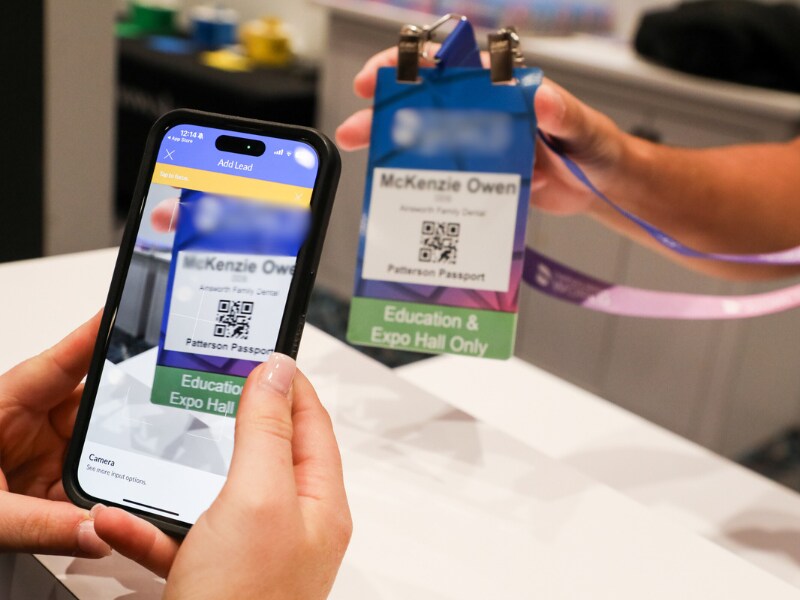
3. Make Post-Event Follow-Up Intentional
Ensure your team is striking while the iron is hot. Personalized, behavior-based follow-ups, ideally sent within 24-48 hours of the event's end, are essential to keep the momentum going. Tailor your messaging based on what the attendee showed interest in during the event.
4. Redefine Measurement Beyond Attendance
Always remember: your event's attendance numbers don't tell the full story. Look deeper at how your event influenced your sales pipeline. Did new opportunities arise? Were deals accelerated, or relationships between you, the client, and/or attendees strengthened? These are the metrics that reveal true ROI.
5. Extend the Experience Through Content
The event doesn't end when the attendees head home. Use photos, insights, and videos to fuel ongoing content and nurture your company's sales and marketing campaigns. Keep the conversation alive long after the event and show your current clients and prospects what your teams are accomplishing.
6. Close the Feedback Loop
Once the event is done, make sure to collect and analyze attendee feedback to understand what resonated, and then feed those insights back to your teams. Continuous improvement turns each event into a stronger, more revenue-focused engine.
From Experience to Revenue: Why Your Event Blueprint Matters
When done right, events don't just create energy - they drive measurable business outcomes. That's why having an event blueprint is so essential. Your blueprint is what will ensure all the energy and connection generated in-person translates into sustainable, pipeline-building activity post-event.
Our recent CEO roadshow is a great example of how intentional, high-touch experiences create the foundation for deeper partnerships. But it's the systems behind those experiences, like CRM integration, lead scoring, and personalized follow-up, that will carry the impact forward.
Want to put these strategies into action? Download our Event <> CRM Integration Checklist to keep these six steps front and center as you plan your next pipeline-generating event.

