
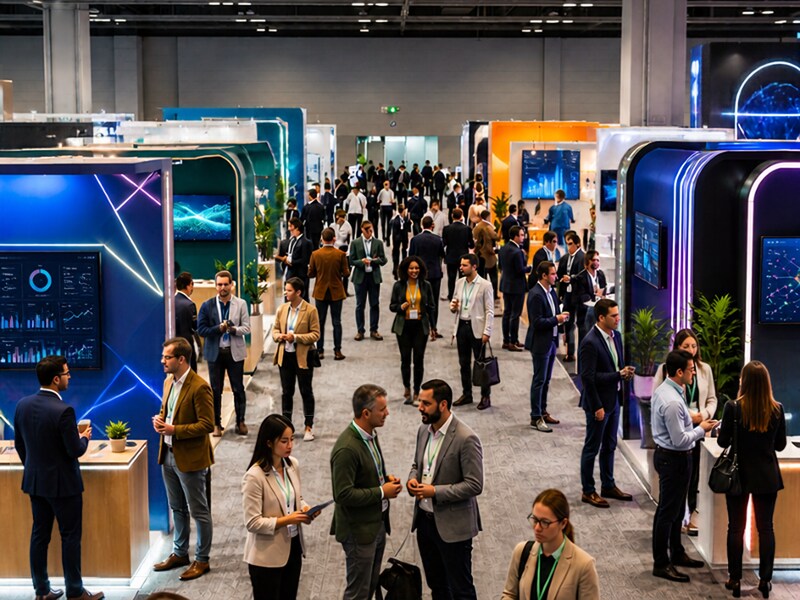
As we wrap up 2026, many organizations are doing what naturally happens this time of year: reviewing performance, celebrating wins, evaluating challenges, and looking ahead to what's next. Budget conversations are underway. Event calendars are taking shape. Teams are making decisions about where they'll invest their time, energy, and resources in the year ahead.
But before filling a calendar with tradeshows, conferences, customer events, and sponsorships, it's worth pausing to ask a simple question: What is each event actually designed to accomplish?
The reality is that the events delivering the strongest ROI aren't always the biggest, most expensive, or highest-attended. They're the events that are intentionally aligned with business goals and supported by a clear strategy for measuring success.
As you begin planning for 2027, now is the perfect time to shift from event selection to outcome planning. Because when every event has a purpose, every dollar works harder.
2027 Planning Starts With Purpose, Not Your Event Calendar
One of the most common planning mistakes organizations make is building next year's event calendar based on what they've always done.
The annual tradeshow that worked five years ago gets renewed. The conference sponsorship automatically returns. The regional roadshow stays on the schedule because it's familiar.
While consistency certainly has value, strategic planning requires looking beyond tradition and asking whether each event still serves a meaningful business purpose.
So before you commit budget to any event in 2027, consider the outcomes you're trying to achieve:
- Are you focused on generating net-new pipeline?
- Strengthening relationships with existing customers? Or focus on customer retention?
- Increasing awareness in a new market?
- Accelerating opportunities already in your sales funnel?
- Supporting customer retention initiatives?
When you start with those questions, event selection becomes significantly easier. So instead of asking, "Which events should we attend?", start by asking, "Which events help us achieve our business goals?"
ROI Planning Looks Different Depending on Who You're Asking
One of the most important lessons organizations have learned over the past several years is that event ROI is not one-size-fits-all.
Marketing, sales, customer success, executive leadership, and even HR may all attend the same event, but each team walks away evaluating success differently. That's not a problem. It's actually an opportunity.
Strong event programs recognize that different stakeholders have different expectations and design measurement frameworks that reflect those priorities.
Marketing Teams Often Focus on Visibility and Demand Generation
Marketing leaders are looking for indicators that events help build awareness, attract new audiences, generate engagement, and create opportunities for future pipeline growth. Success may look like:
- Increased brand visibility
- Content creation opportunities
- Audience engagement
- Lead acquisition
- Thought leadership positioning
An industry conference, for example, may not produce immediate revenue, but it can create significant long-term value through exposure and market presence.
Sales Teams Focus on Conversations That Move Revenue Forward
For sales organizations, event success is often tied directly to relationship-building and pipeline acceleration. That could include:
- Executive meetings
- Strategic account engagement
- Opportunity progression
- Pipeline creation
- Expansion conversations
For many sales teams, one meaningful conversation with the right stakeholder can be more valuable than hundreds of booth scans.
Customer Success Teams Focus on Retention and Advocacy
Customer-focused events serve a different purpose altogether. These events strengthen relationships, increase product adoption, uncover expansion opportunities, and create advocates who can share their success stories. Event success often looks like:
- Stronger customer engagement
- Increased satisfaction
- Community building
- Renewal support
- Advocacy development
Leadership Teams Focus on Strategic Impact
Executives are often evaluating event investments through a broader lens. They're asking questions like:
- Does this support our growth strategy?
- Does it strengthen our competitive position?
- Does it help us enter new markets?
- Does it support long-term revenue goals?
Understanding what each stakeholder values is only the first step. The next is building a measurement framework that turns those priorities into actionable event ROI. Explore how to identify and measure the outcomes that matter most to your organization with the link below.
Planning for Maximum ROI Means Looking Beyond Lead Counts
For years, event success was often measured by a simple number: How many leads did we collect?
While lead generation remains important, today's event leaders understand that many of the most valuable outcomes aren't immediately captured in a post-event report.
A customer dinner that prevents churn. An executive conversation that accelerates a six-figure opportunity. A networking event that results in a strategic partnership. These moments don't always show up as badge scans or registration numbers, but they create measurable business impact.
As organizations continue to mature their event strategies heading into 2027, the conversation around ROI is becoming much more sophisticated.
Teams are increasingly evaluating:
- Pipeline influence & Opportunity acceleration
- Customer retention & Brand perception
- Relationship strength & Community Growth
- Partner engagement
Because at the end of the day, events are powered by something data alone can't fully capture: human connection. And those human connections often become the foundation for future business growth.
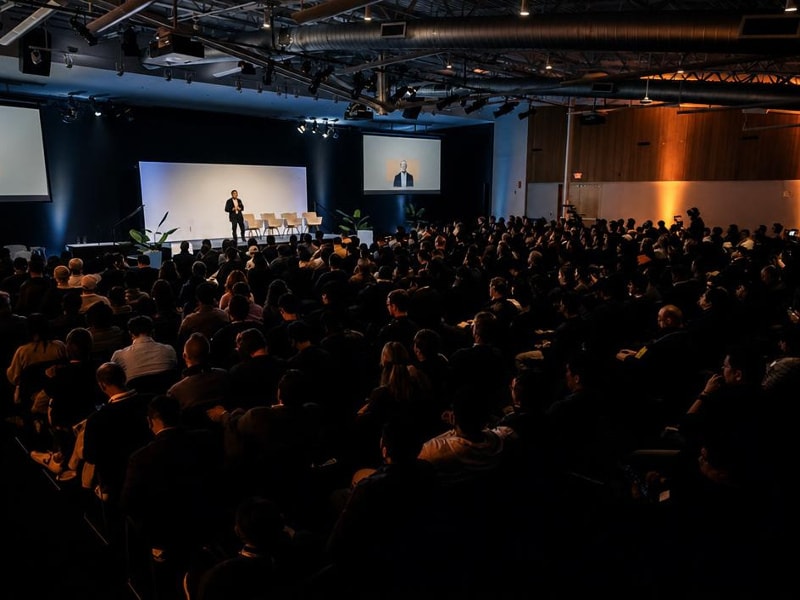
Looking Ahead to 2027
As our team reflects on the lessons of 2026, one thing is becoming increasingly clear: organizations aren't looking for more events. They're looking for better outcomes.
The most successful event programs in the new year won't be built around attendance numbers alone. They'll be built around intentional planning, stakeholder alignment, meaningful measurement, and strategic human connection.
So, before you approve another event budget, ask yourself one question: What outcome are we actually buying?
If the answer isn't clear, it may be time to rethink your event strategy. Let's talk about how to build an event portfolio that aligns with your business goals, maximizes ROI, and delivers measurable impact in 2027.

