
TL;DR
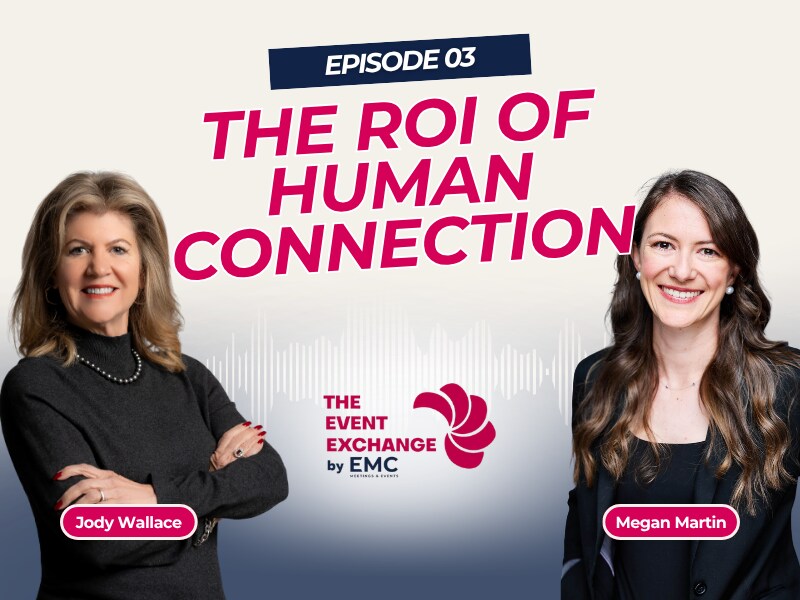
In Episode 3 of The Event Exchange, EMC Meetings & Events explores the ROI of human connection, and why face‑to‑face experiences are more critical than ever in a tech‑driven, trust‑deficient world.
From combating the "trust recession" to intentionally designing events around connection, this episode breaks down how human‑to‑human interaction directly influences sales, loyalty, culture, and long‑term business results. When people feel seen, heard, and connected, events stop being expenses and start becoming growth engines.
_______________________________________________________________________________________
Why Human Connection Is the Real ROI of Events
In today's world of AI, automation, and constant digital communication, something essential has been lost: real human connection. Episode 3 challenges leaders to zoom out and ask a more fundamental question - not just what events produce, but how they make people feel.
As EMCME's CEO Jody Wallace explains, we're wired for connection. Without it, people feel disconnected, disengaged, and less trusting. Events, when designed intentionally, restore that connection in ways technology alone never can.
This episode reframes event ROI through a human lens:
- When people connect, trust increases.
- When trust increases, relationships strengthen.
- And relationships are what drive business forward.
The Trust Recession - and Why Events Matter More Than Ever
One of the central themes of this episode is the idea of a trust recession. People are more skeptical, more distracted, and less connected than before… both personally and professionally.
Yet research and lived experience continue to show one thing clearly:
People buy from people they trust.
And the number one reason people attend (and return to) events isn't the speaker lineup or the venue. It's the connections they make.
Face‑to‑face events combat the trust gap by:
- Creating shared energy that can't be replicated virtually
- Allowing for non‑verbal communication and presence
- Encouraging meaningful, two‑way exchange instead of one‑way messaging
When people feel important, heard, and connected at an event, trust forms—and trust is what fuels sales, partnerships, and loyalty.
Designing Events Around the Human Journey
Human connection doesn't happen by accident. It must be designed.
One of the most powerful tools discussed in this episode is attendee experience mapping. Instead of focusing only on agendas and logistics, EMCME maps the emotional and relational journey of each attendee.
That includes:
- How people connect during registration
- How arrival moments set the tone
- How receptions, shared spaces, and programming encourage interaction
- Where white space creates room for organic conversations
One powerful real‑world example from the episode highlights peer‑to‑peer roundtable discussions. By intentionally building space for attendees to exchange ideas, and not just consuming content, those connections extended well beyond the event itself and strengthened long‑term partnerships.
That's connection translating directly into ROI.
Technology's Role: Enhancing - Not Replacing, Connection
This episode doesn't argue against technology - it reframes its purpose.
Technology works best when it enhances the human experience, not replaces it. Tools like:
- AI‑driven matchmaking,
- Smart networking formats,
- Thoughtful event apps…
can help connect the right people at the right moments - provided the end goal remains human interaction.
The danger isn't technology itself. It's using it in ways that isolate rather than connect.
Internal and External ROI: Why Incentive Programs Matter
The concept of human connection isn't just for your prospects and customers… it's just as critical internally.
Incentive programs and internal events are highlighted as powerful examples of connection-driven ROI. When top performers are rewarded in shared experiences, and leadership shows up to engage with them, the impact goes far beyond motivation.
These programs:
- Reinforce culture
- Strengthen loyalty
- Make people feel seen and valued
- Build community that lasts beyond the trip
As Jody puts it, you can't buy the energy that happens when people truly connect. It's simply magical.
If you're looking to take your incentive travel strategy further, check out our blog, "Top Incentive Travel Trends for 2026," packed with ideas to inspire, reward, and retain your top talent.
Small Design Choices That Make a Big Difference
Plus, these events aren't always about grand gestures. Instead, they're about intentional details.
This episode calls out several practical ways CMOs and event leaders can enhance connection:
- Script the attendee journey, not just the agenda
- Lower music volume during networking so conversations can happen
- Design rooms with pods and flexible seating instead of rigid rows
- Name programs intentionally (Exchange, Forum, Connect vs. Summit)
- Build in white space with purpose (not as an afterthought)
Sometimes the most meaningful connections happen between sessions, not during them.
Turning Energy into Business Impact
You know an event worked when people walk out saying, "Did you feel the energy in that room?"
That energy doesn't happen on Zoom or Teams. It happens when people are present with each other - sharing ideas, stories, and experiences - face to face.
And that energy translates into:
- Stronger relationships
- Increased trust
- Better performance
- More resilient companies
Or, as EMCME says best: When events are brighter, companies are stronger.
One Action to Take Right Now
If you want better ROI from your events, start here: Design for connection first.
Before finalizing speakers, stages, or schedules:
- Map the human journey
- Identify where real interaction will happen
- Give people time, space, and permission to connect
Because when people feel connected, everything else follows.
_______________________________________________________________________________________
Frequently Asked Questions
1. What is the ROI of human connection in events?
Human connection builds trust, strengthens relationships, and directly influences sales, loyalty, and engagement… making it one of the most powerful drivers of event ROI.
2. Why is face‑to‑face connection still important in a digital world?
In‑person events create energy, non‑verbal communication, and trust that virtual experiences can't replicate.
3. How can technology support human connection at events?
When used intentionally - like setting appointments or guided networking - technology can make connections more meaningful instead of more transactional.
4. What types of events benefit most from connection‑first design?
All events benefit, but especially user conferences, peer‑to‑peer forums, incentive trips, sales meetings, and executive roundtables.
5. What's the biggest takeaway from Episode 3?
Human connection isn't a "nice to have" - it's the ROI. When you design events around how people connect, your business gets stronger.

