
TL;DR | The Fast Take
Secondary cities offer lower costs, smoother logistics, and more engaging experiences - making them one of the highest‑ROI destination choices for 2026 meetings and events.
- Secondary cities are the smart 2026 event play: lower costs, easier logistics, and high‑impact attendee experiences.
- Better ROI comes from competitive hotel rates, modern venues, and cities investing heavily in infrastructure.
- Simpler logistics mean less congestion, more availability, and smoother on‑site execution.
- More memorable experiences are driven by authentic local culture, walkability, and fewer distractions.
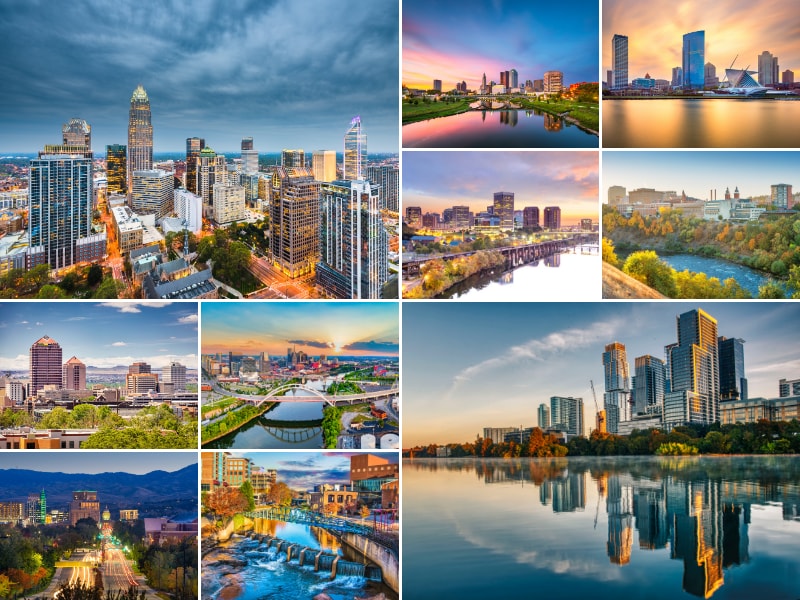
- Standout destinations include Austin, Charlotte, Columbus, Nashville, Milwaukee, Richmond, and more.
- Bottom line: Smaller cities often deliver bigger impact when budget, experience, and efficiency matter most.
_______________________________________________________________________________________
The meetings and events landscape has changed dramatically these past few years - and if you caught this month's CEO Message, you already know one theme rising above the noise: secondary cities are having a moment.
As budgets tighten and expectations rise, planners are being asked to create more meaningful, more efficient, and more innovative experiences - all without the premium price tag or logistical hurdles of major metros. That's where secondary cities step in, offering a combination of value, flexibility, and cultural energy that primary hubs simply can't match.
Below, we'll take a deeper look at why secondary cities have become a strategic advantage for 2026 events, and how you can use them to maximize ROI, elevate attendee experiences, and unlock new creative possibilities.
Why Secondary Cities Are Surging in 2026
1. Better ROI Without Sacrificing Quality
For many planners, cost savings are the first major win. Hotel rates, venue rentals, food & beverage minimums, and city-wide services in secondary markets tend to be significantly more competitive than in major metros.
But the real ROI advantage comes from the combination of lower spend and higher impact. These destinations are investing heavily in:
- Modern convention centers
- Newly renovated hotel properties
- Walkable downtown districts
- Upgraded transportation systems
- Expanded dining, arts, and culture options
This means your event dollars stretch further and attendees enjoy a polished, seamless experience without the price inflation of primary cities like New York, San Francisco, or Chicago.
2. Logistics That Actually Work in Your Favor
Anyone who has planned a large conference or retreat in a top tier city knows the challenge: traffic congestion, venue shortages, complex permitting, and high competition for attendee attention.
Secondary cities flip this dynamic. You get:
- More venue availability
- Shorter transit times
- Fewer scheduling conflicts
- Simpler vendor coordination
- Faster problem solving on site
The result? A smoother event ecosystem with less operational stress and more space to focus on content, connection, and attendee experience.
3. More Memorable Attendee Experiences
As highlighted in the CEO Message, attendees today want more than just sessions - they want experiences. And secondary cities, with their blend of local culture, accessible environments, and unique venues, deliver something that big city ballrooms often can't: authenticity.
Attendees feel part of something special rather than swept into the chaos of a busy metro area hosting multiple conferences at once. Small cities can provide:
- Local food scenes instead of generic catering
- Immersive cultural moments instead of tourist traps
- Easy networking thanks to less noise and distraction
- Unique environments that spark creativity and connection
This is experience design at its best—and secondary cities are uniquely positioned to provide it.
Top Second Tier Cities for Meetings & Events in 2026
Here are standout U.S. destinations that deliver exceptional value, strong logistics, and memorable attendee experiences.
1. Austin, TX | Creative Energy + Vibrant Tech Scene
A culture-forward city with excellent walkability, great music, and a booming hotel/convention lineup.
2. Charlotte, NC | Polished, Professional, and Easy to Navigate
New builds, strong airlift, and a sophisticated uptown area ideal for corporate events.
3. Columbus, OH | Modern, Affordable, and Fast Growing
Tons of new development, innovative venues, and a top tier convention district.
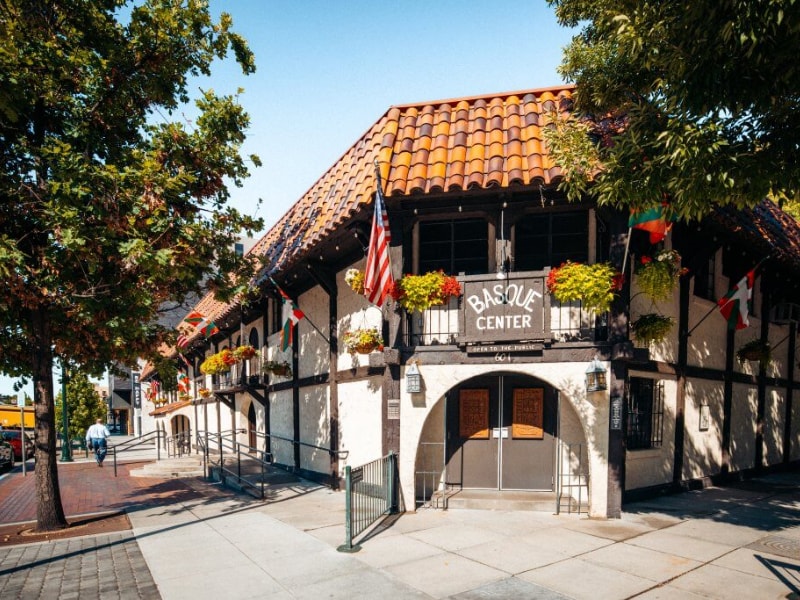
4. Boise, ID | Nature Meets Innovation
A perfect blend of outdoor recreation and an emerging cultural/food scene.
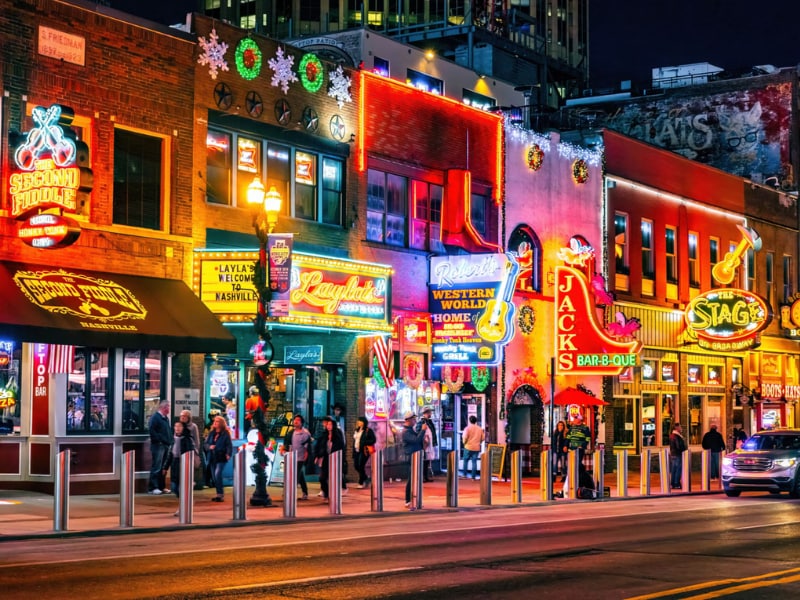
5. Nashville, TN | Entertainment Driven with Strong Hospitality Infrastructure
Music, food, and high energy venues without the cost of larger coastal markets.
6. Milwaukee, WI | Lakefront, Breweries, and Big City Amenities at a Smaller Scale
Beautiful waterfront meeting spaces and new hotel growth.
7. Richmond, VA | History, Arts, and Rapid Revitalization
A great choice for creative retreats and mid-sized corporate gatherings.
8. Albuquerque, NM | Scenic, Cultural, and Surprisingly Affordable
Distinctive Southwestern charm and convention capabilities.
9. Greenville, SC | Small But Mighty with a Thriving Downtown
Boutique hotels, great food, and walkable everything.
10. Spokane, WA | Waterfront Venues + Outdoor Adventure
Easy logistics and memorable scenery within minutes of downtown.
How to Decide If a Secondary City Is Right for Your Event
When evaluating your next event destination, consider:
- Budget flexibility
- Venue and hotel availability
- Walkability and transit
- Local culture and attendee experience
- Destination support and partnerships
Secondary cities often outperform expectations on all five.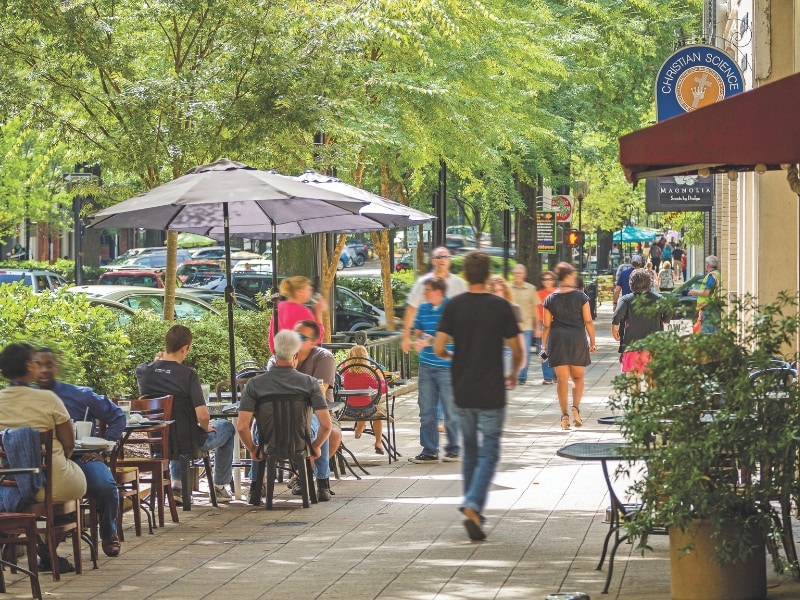
Ready to Explore Secondary Cities for Your Next Event?
If this deep dive has sparked ideas - or you're curious where your next breakout meeting could live - our team is ready to guide you.
Not sure which city fits your goals?
Want a curated shortlist tailored to your budget and audience?
Or simply need a fresh venue sourcing strategy?
Let's build your next great event together. Share a few details in our RFP form, and we'll design a destination roadmap that connects your vision with the perfect secondary city match.
Your next bold event move might just be a smaller city with a bigger impact.
_______________________________________________________________________________________
Key Takeaways:
1. Why are secondary cities strategic for 2026?
They offer stronger ROI, smoother logistics, and more distinctive attendee experiences.
2. Do they compromise on quality or infrastructure?
Not anymore. Most have invested heavily in modern venues, hotels, and downtown districts.
3. What makes them better for attendee engagement?
Less congestion, more authenticity, and more space for connection and creativity.
4. Are secondary cities right for large conferences?
Absolutely. Many now support major conventions while offering more flexibility than primary markets.
5. How do I choose the right destination?
Match your goals with a city's culture, capabilities, and attendee experience potential.

