
Over the past few years, we've all watched the meetings and events landscape reshape itself - maybe even a little faster than most of us expected. Budgets are tighter. Attendees want more meaningful experiences. And organizers are under pressure to deliver innovation without inflating costs or complexity.
One of the smartest solutions emerging in 2026? Secondary cities.
These midsized, fast-growing destinations are no longer the "backup plan" when primary hubs are booked or overpriced. They've become strategic choices - places where you can stretch your budget, ease logistical challenges, and give attendees a fresh, energetic environment that feels both accessible and inspiring.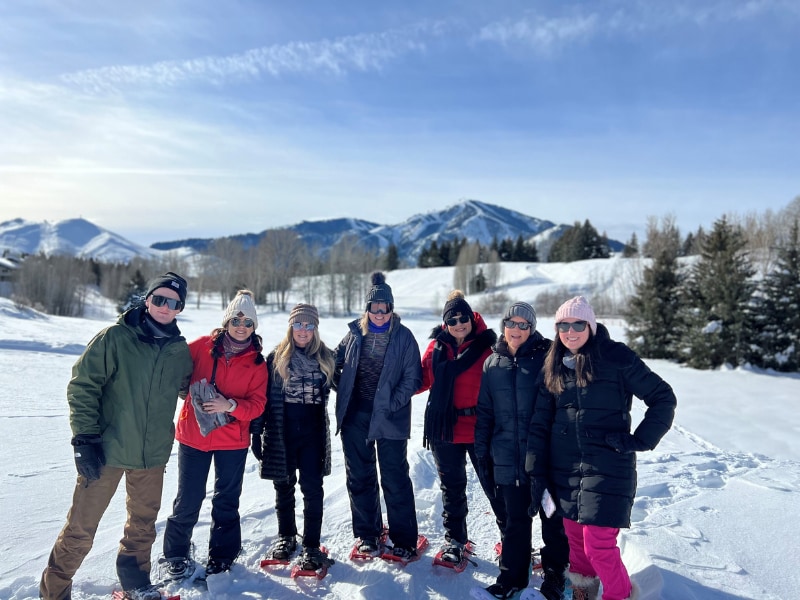
What's Driving the Shift?
For starters, ROI is stronger. Secondary cities often offer competitive hotel rates, more flexible venue options, and fewer hidden operational expenses. But cost savings are just the beginning. These cities are investing heavily in modern convention centers, walkable downtown districts, and improved transit making it easier to move people, equipment, and experiences seamlessly.
The result is a smoother event ecosystem with fewer bottlenecks and more room for creativity.
Just as importantly, the attendee experience is getting a major upgrade. Smaller cities tend to offer a more connected, less chaotic environment - one where your brand and event can truly stand out. Attendees feel like part of something special, not lost in a sea of competing conferences and city wide events.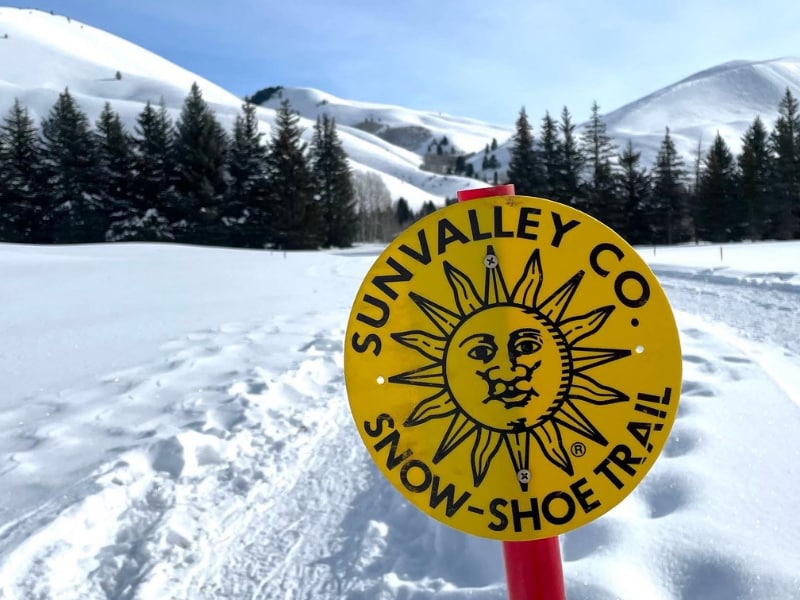
And Perhaps the Biggest Advantage? You Get to Be Bold.
Secondary cities give event planners the chance to rethink formats, test new ideas, and partner with destinations eager to innovate.
In other words: the opportunity is real, and the momentum is already here.
In our upcoming full blog post, we'll take a deeper look at why secondary cities are rising so quickly, and how your organization can leverage them for maximum strategic value in 2026 and beyond.
A Real World Example: Sun Valley, Idaho
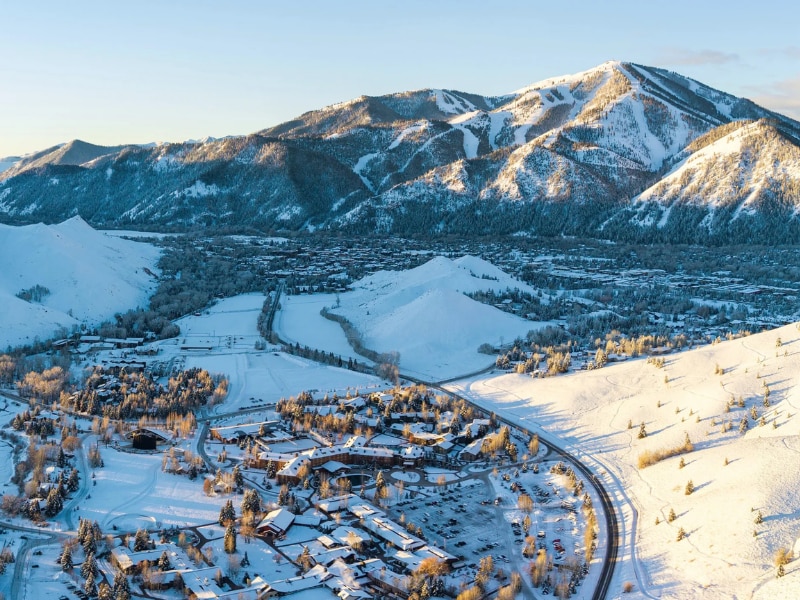
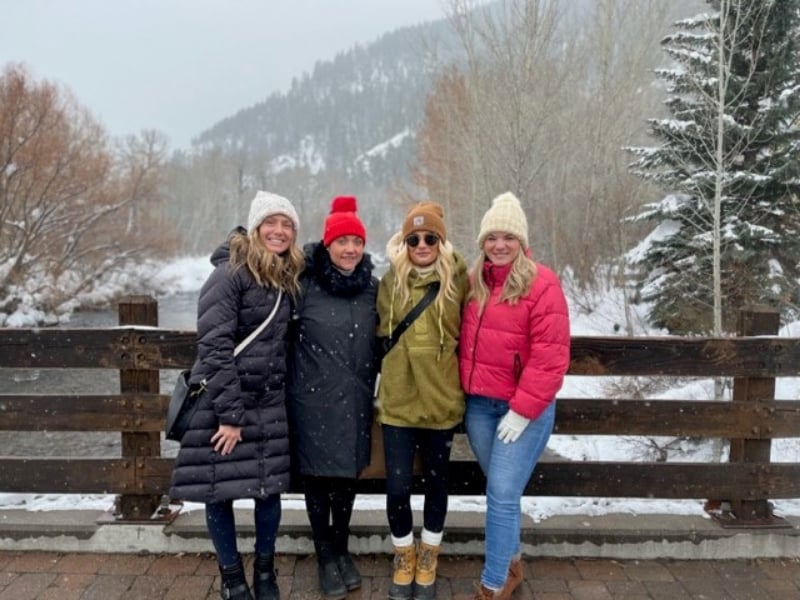
A few years ago, we hosted our EMCME company retreat in Sun Valley, Idaho, and it remains one of the best examples of what second tier city experiences can unlock.
The energy was electric. The town itself set the tone: approachable, creative, and surprisingly sophisticated. People were excited from the moment they arrived. The structure of the event allowed for true flexibility and personalization - something that's hard to achieve in larger, more rigid metro markets.
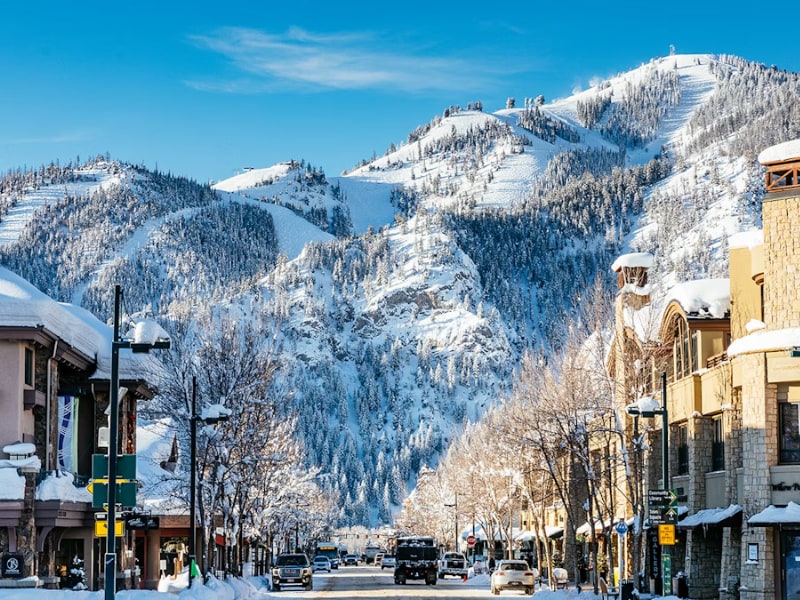
Between morning skiing and mountain views, local breweries and independent shops, a thriving arts culture, spa and wellness experiences, and an event schedule designed to give attendees choice, the retreat felt both elevated and effortless. Conversations flowed more naturally. Teams bonded more deeply. And the environment inspired the kind of creativity and connection that simply can't be manufactured.
Sun Valley wasn't just a destination; it became part of the experience. And that's exactly the advantage secondary cities are bringing to modern events.
Every photo you see in this message comes straight from that Sun Valley experience. A real example of how the right secondary city can transform an event into something unforgettable.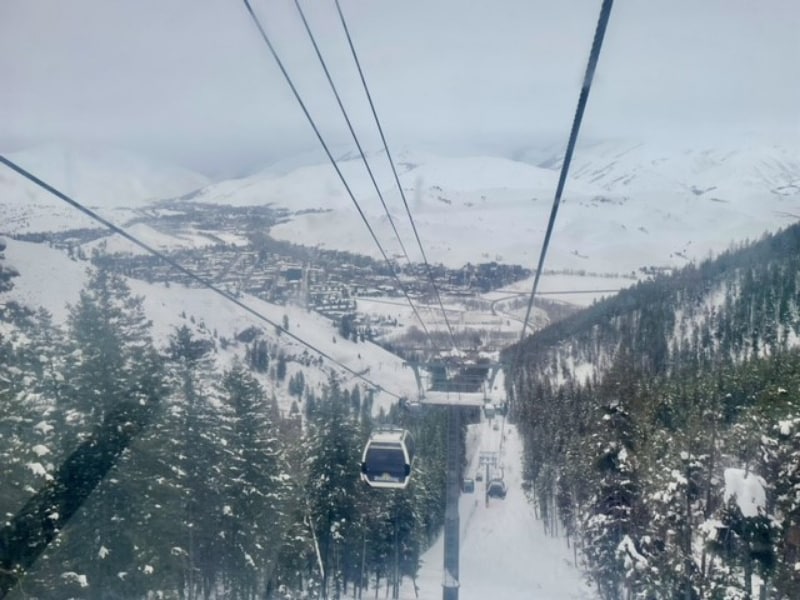
Ready to Put Secondary Cities to Work for Your Event Strategy?
If the possibilities in these rising destinations spark ideas for your next meeting, our team is here to help you turn inspiration into a fully formed plan. From venue sourcing to city matching, we'll connect you with the right partners - and the right place - to elevate your ROI and simplify your path to success.
Curious where your next breakout event could live? Let's explore it together.
Share a few details with us through our RFP form, and our experts will curate a shortlist of standout secondary city venues tailored to your goals.

